
With the adoption of UN Regulation No. 185 and UN Global Technical Regulation No. 26 for Automated Driving Systems, UNECE WP.29 established a new international reference point— —in June 2026. […]
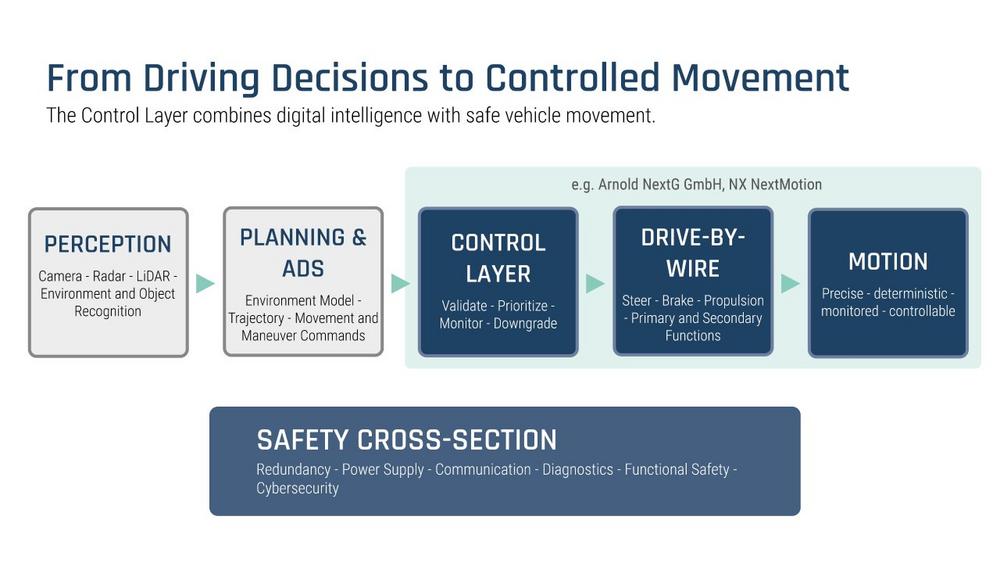
With the adoption of UN Regulation No. 185 and UN Global Technical Regulation No. 26 for Automated Driving Systems, UNECE WP.29 established a new international reference point— —in June 2026. […]
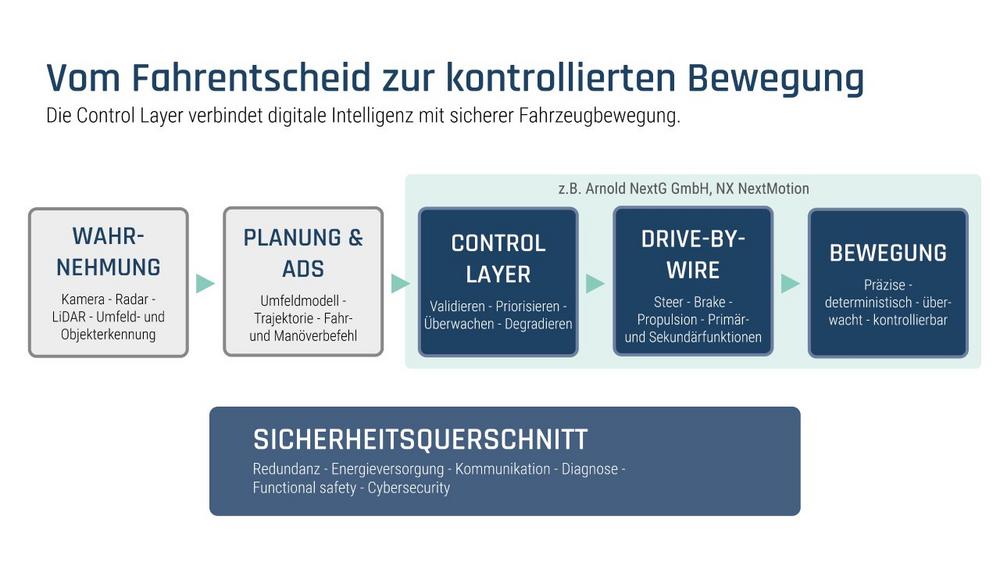
Mit der Verabschiedung der UN-Regelung Nr. 185 und der UN Global Technical Regulation Nr. 26 für Automated Driving Systems hat UNECE WP.29 im Juni 2026 einen neuen internationalen Referenzpunkt geschaffen. […]
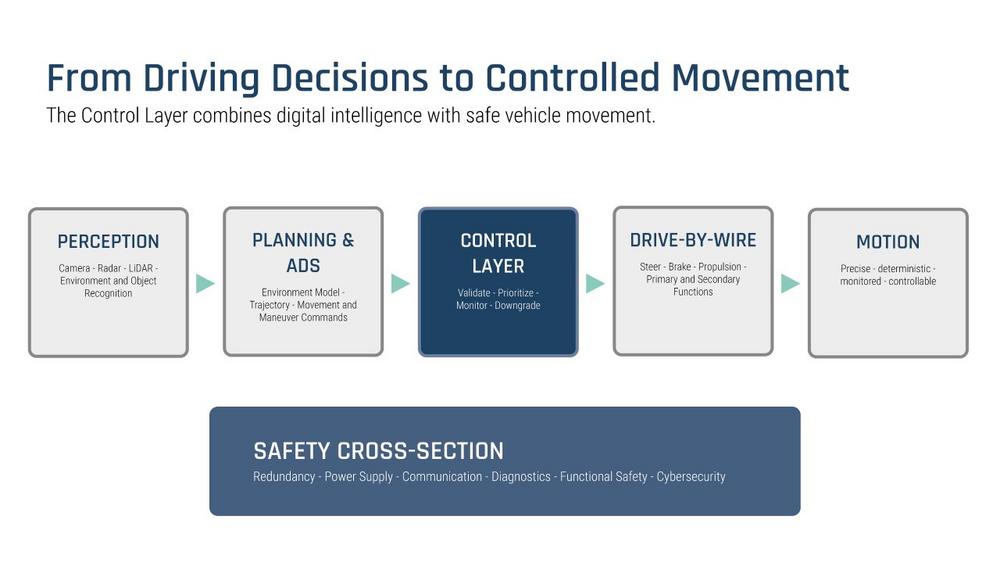
Key Takeaways: The new ADS regulations are technology-neutral but address safety across development, approval, and operation. This makes the safe implementation of digital driving decisions a distinct architectural and validation […]
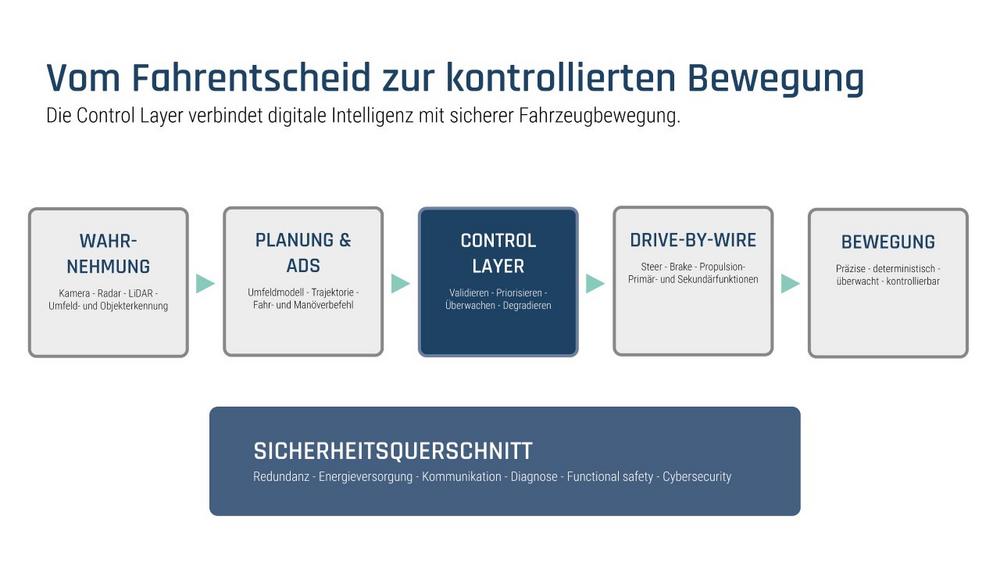
. Kernaussagen: Die neuen ADS-Regelwerke sind technologie-neutral, betrachten Sicherheit jedoch über Entwicklung, Genehmigung und Betrieb hinweg. Damit wird die sichere Umsetzung digitaler Fahrentscheidungen zu einem eigenständigen Architektur- und Nachweisthema. Arnold […]

Following discussions on scale, system architecture, responsibility, trust, and regular operation, this blog series comes full circle with the topic of regulation. Today, autonomous mobility rarely fails due to a […]

Nach Maßstab, Systemarchitektur, Verantwortung, Vertrauen und Regelbetrieb schließt sich mit der Regulierung der Kreis dieser Blogserie. Autonome Mobilität scheitert heute kaum mehr an fehlenden Gesetzen. Die eigentliche Herausforderung besteht darin, […]
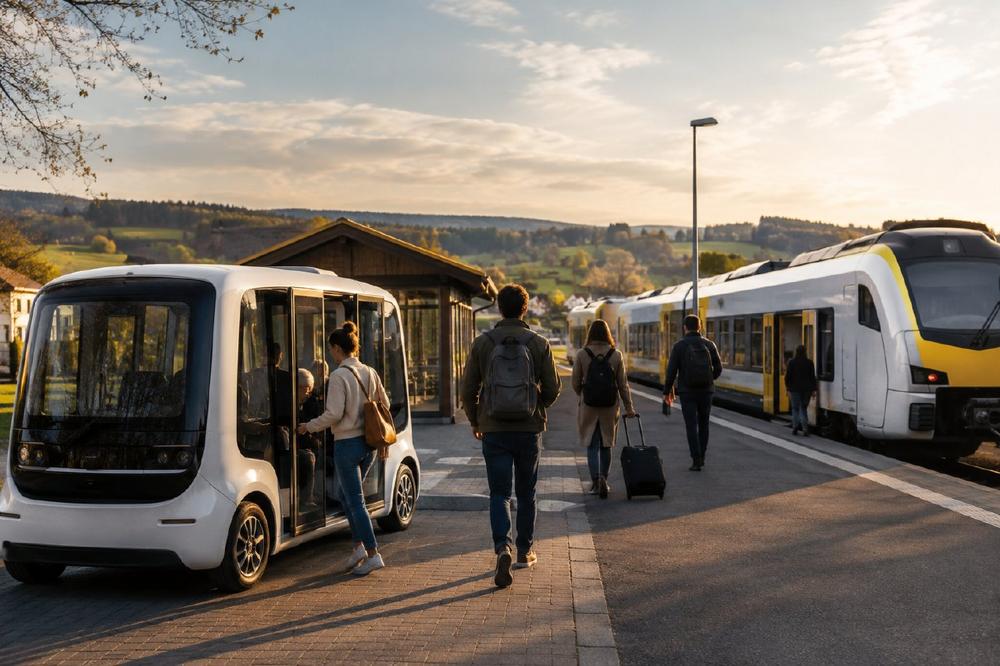
The discussion about autonomous mobility often focuses on the automation of individual vehicles. In fact, however, its greatest potential lies elsewhere: it opens up the possibility of improving public mobility […]
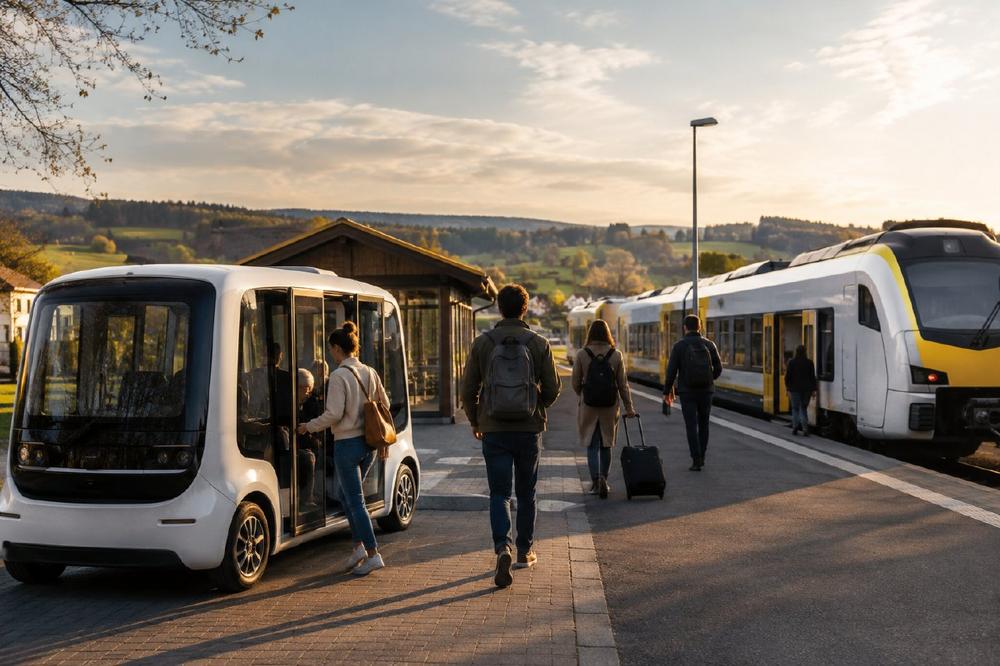
Autonome Mobilität wird häufig auf die Automatisierung einzelner Fahrzeuge reduziert. Ihr größtes Potenzial liegt jedoch darin, den öffentlichen Nahverkehr durch neue Betriebsmodelle gezielt zu ergänzen. Tatsächlich liegt ihr größtes Potenzial […]
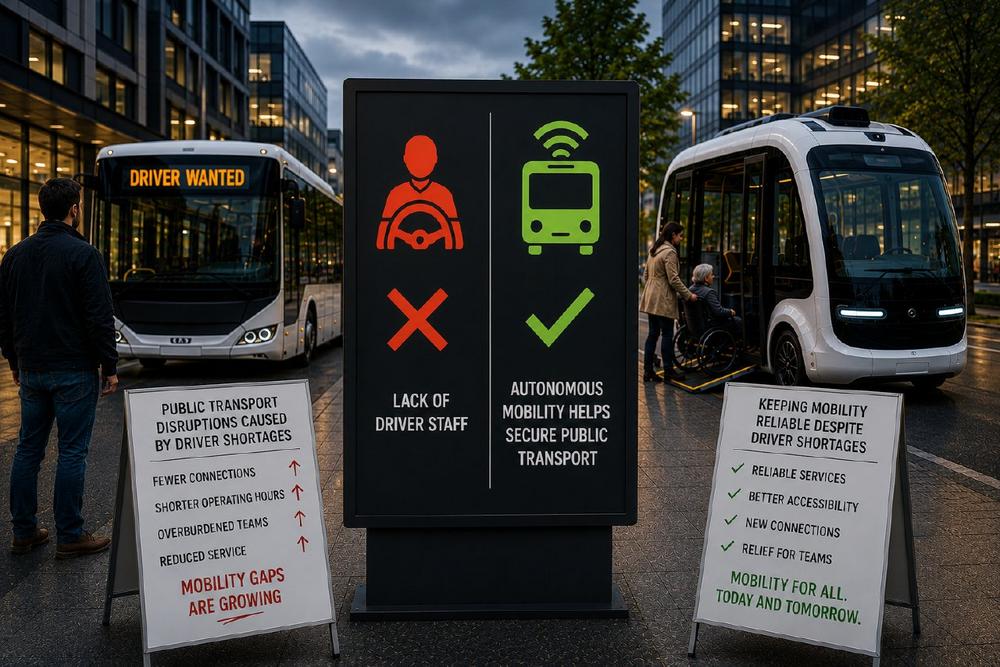
Autonomous mobility is not driven solely by technological innovation. The growing shortage of skilled workers is becoming one of the strongest drivers of new operating models in public transport. This […]
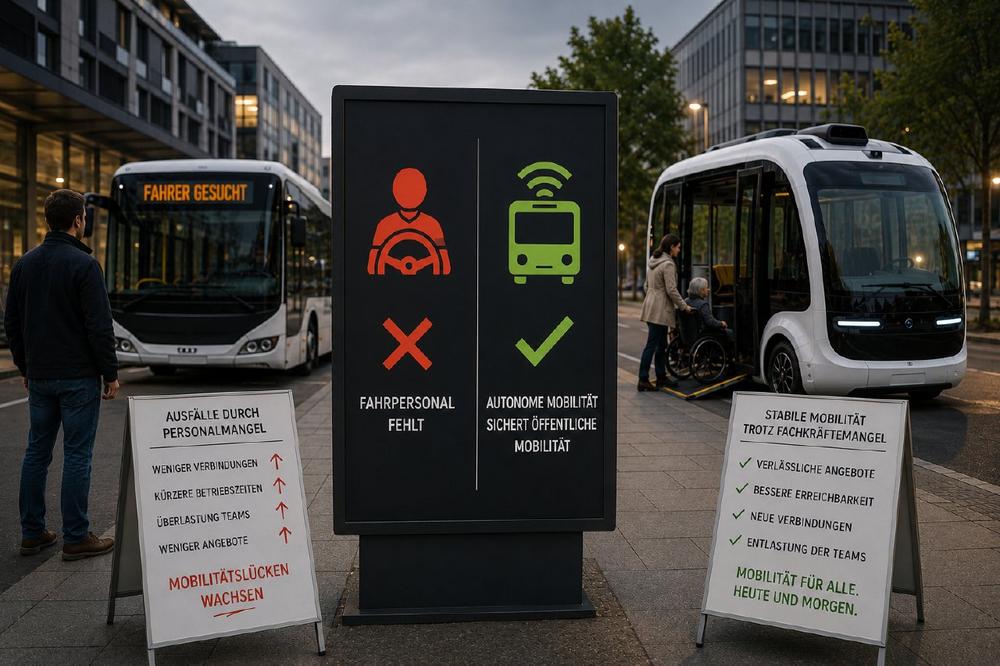
Autonome Mobilität wird nicht nur durch technologische Innovation vorangetrieben. Der zunehmende Fachkräftemangel entwickelt sich zu einem der stärksten Treiber neuer Betriebsmodelle im öffentlichen Verkehr. Dadurch verändern sich die Anforderungen an […]