
Archaeological legacy collections housed at the Museum of Lebanese Prehistory at Saint Joseph University in Beirut reveal the wide diversity of environmental conditions in the eastern Mediterranean region during the […]
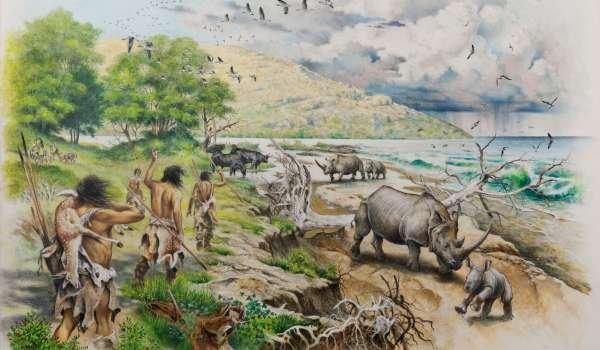
Archaeological legacy collections housed at the Museum of Lebanese Prehistory at Saint Joseph University in Beirut reveal the wide diversity of environmental conditions in the eastern Mediterranean region during the […]
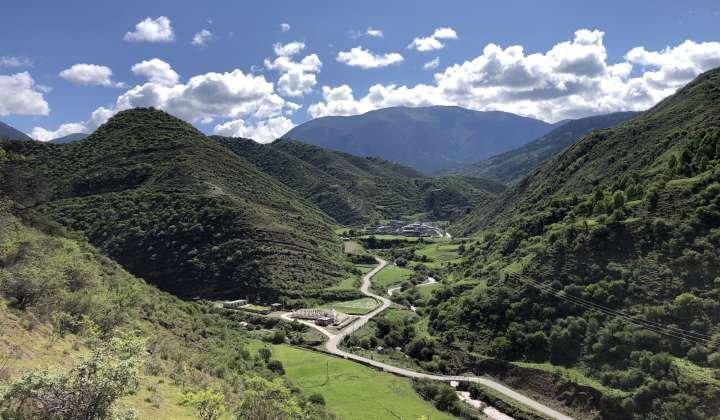
A Chinese-German research team, including Senckenberg researcher Prof. Dr. Andreas Mulch, has investigated when and under what conditions the extraordinary biodiversity in eastern Tibet developed. The study, published in the […]
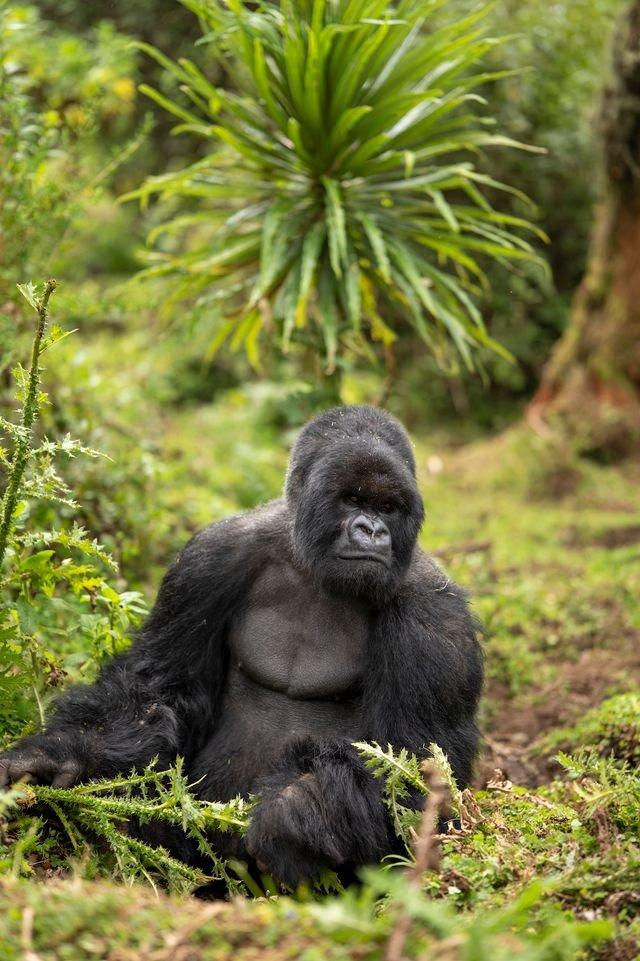
A landmark assessment of recovery The International Union for Conservation of Nature (IUCN) has released the first Green Status Assessment for the eastern gorilla (Gorilla beringei), offering the most comprehensive […]
As delegates from around the world gather in Kingston, Jamaica, for high-stakes International Seabed Authority (ISA) negotiations to debate the future of deep-sea mining, a stark scientific warning has emerged […]
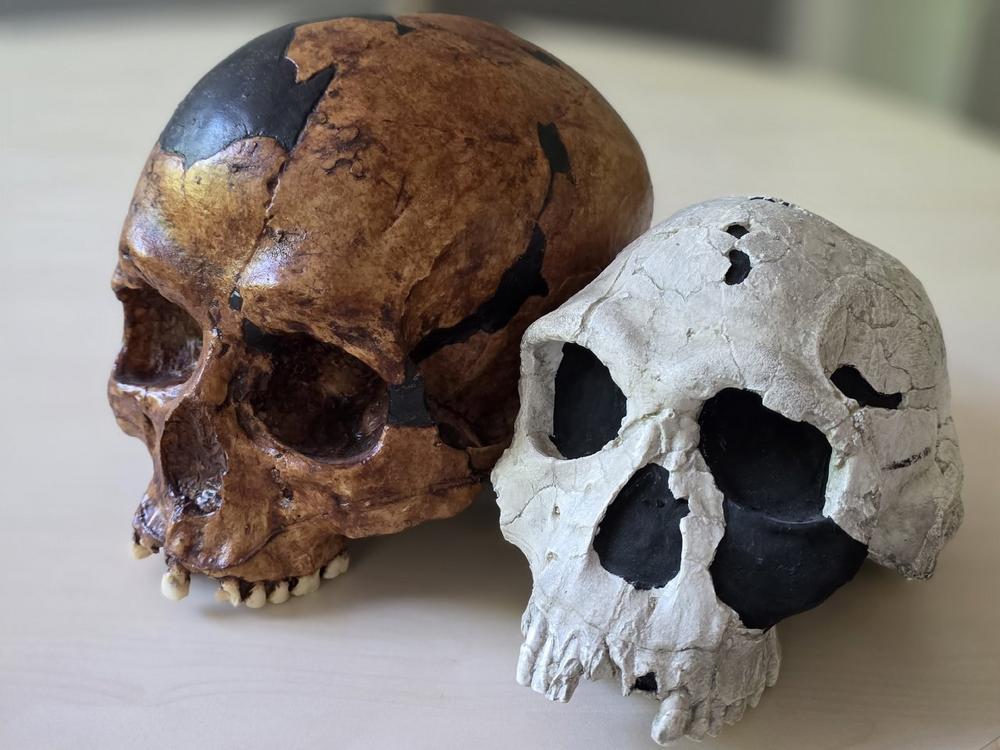
A new study, published today in the journal “Nature Communications,” suggests that two of the best-known trends in human evolution – brain growth and the reduction in the size of […]
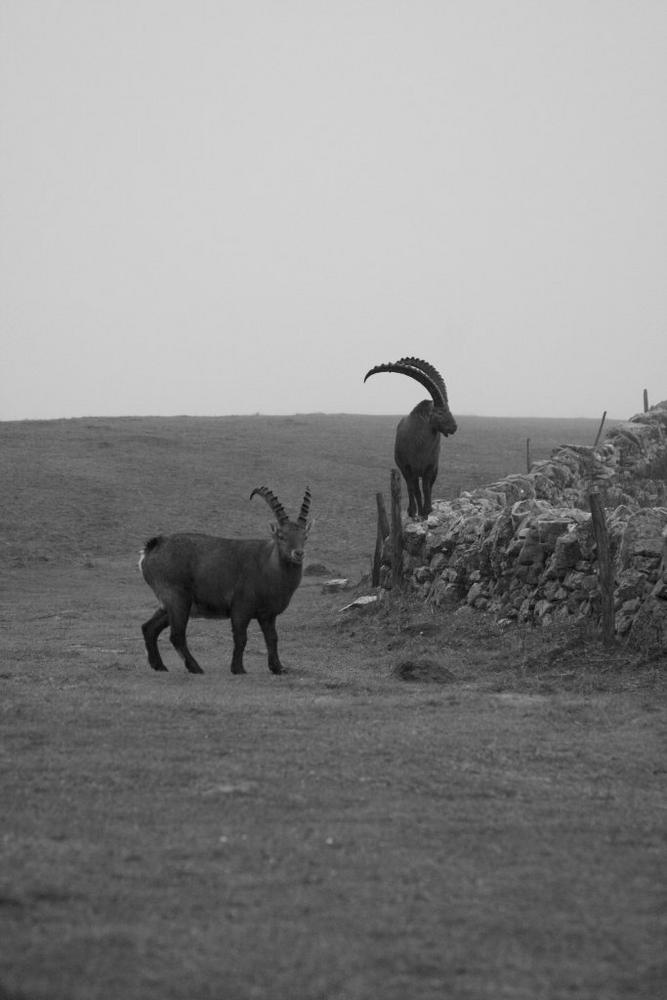
Genetic diversity is crucial for the survival of species. It strengthens the adaptability, resilience, and long-term stability of populations. An international research team led by Senckenberg researcher Prof. Dr. Deborah […]
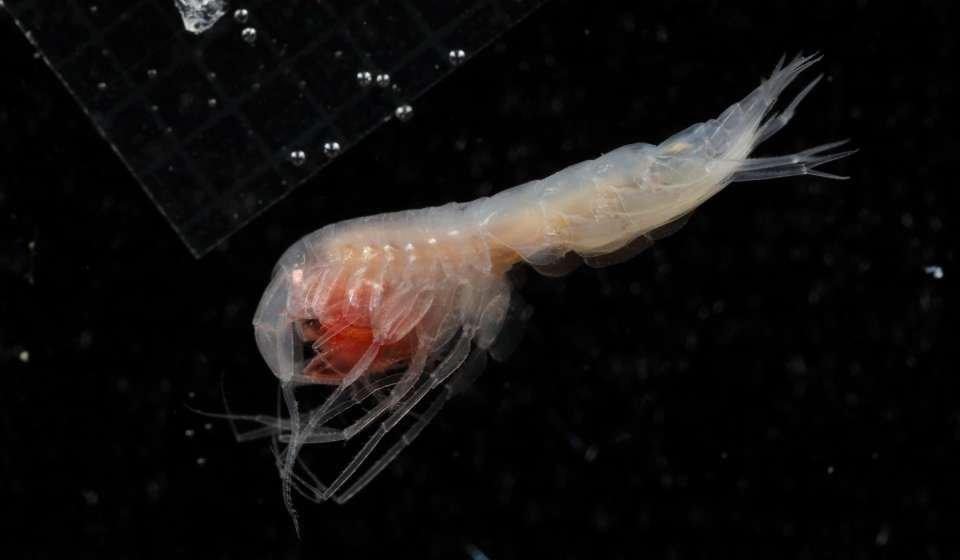
An international research team has studied the genetic diversity of bottom-dwelling amphipods in the newly established “North Atlantic Current and Evlanov Sea Basin” marine protected area. A single sample collected […]
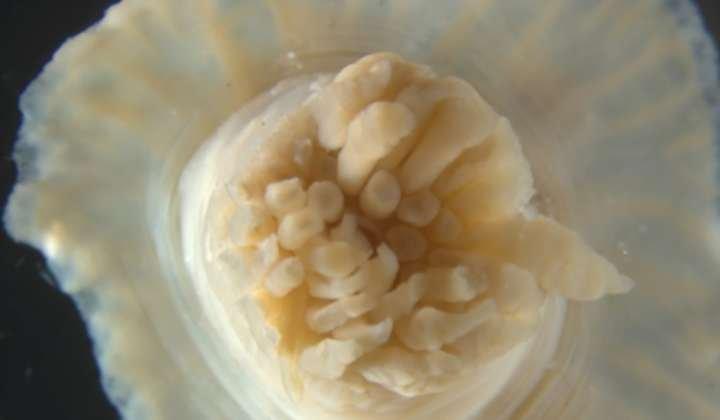
Large parts of the oceans – particularly the deep sea as well as tropical and polar regions – have only been poorly explored to date. In a study published today […]
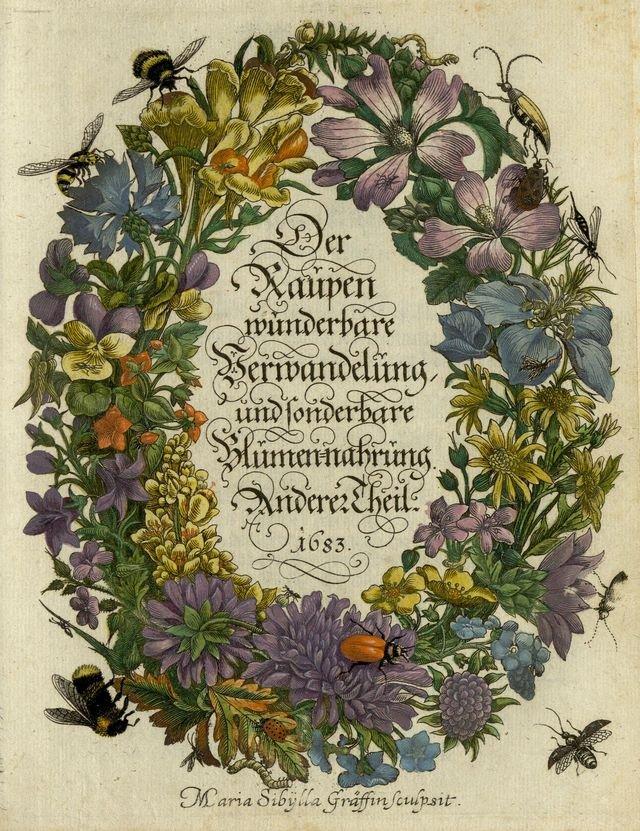
The Senckenberg Gesellschaft für Naturforschung has joined the international consortium of the Biodiversity Heritage Library (BHL). As a result, the historical works and publications on biodiversity preserved in the Senckenberg […]
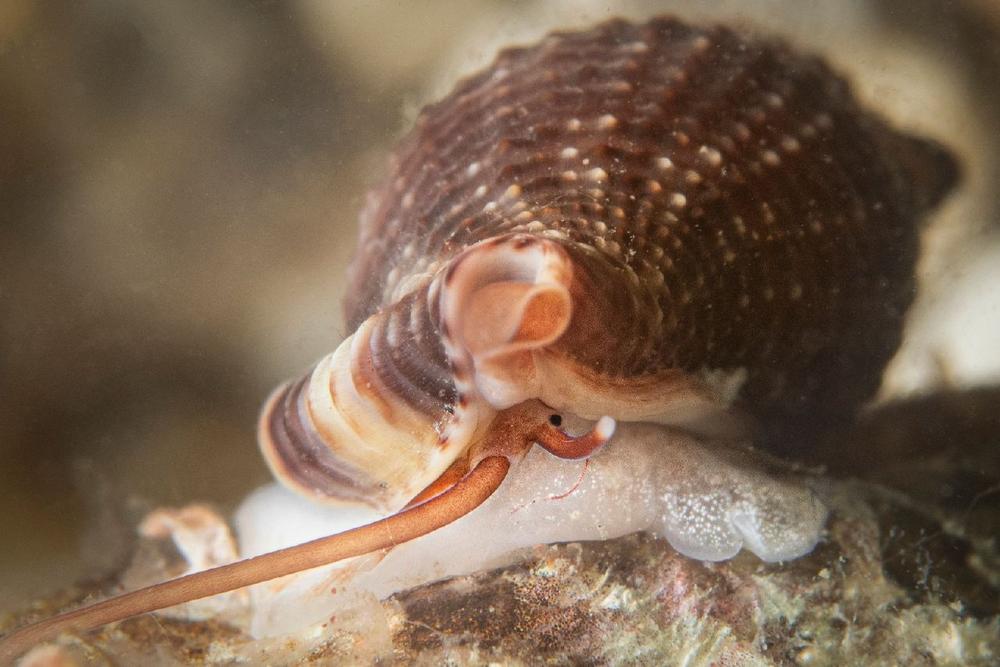
The Mediterranean vampire snail Cumia intertexta has been named the “International Mollusc of the Year 2026.” In a public online vote, the marine snail—which feeds on fish blood—received the most […]