
In a joint appeal, an international research team, including Senckenberg scientist Prof. Dr. Steffen Pauls, advocates the targeted and comprehensive genome sequencing of type specimens – the reference specimens of […]

In a joint appeal, an international research team, including Senckenberg scientist Prof. Dr. Steffen Pauls, advocates the targeted and comprehensive genome sequencing of type specimens – the reference specimens of […]

For a long time, researchers believed that the warm and humid climate of the tropics and subtropics destroyed all traces of old genetic material. A new review, led by Senckenberg […]

An international research team, including Senckenberg scientists, has developed a new method to investigate what the habitats of prehistoric animals and humans looked like. Their study, led by Prof. Timothy […]

Protected areas are meant to preserve endangered species and stabilize ecosystems. But for many European rivers, this protection apparently falls short. This is the finding of a new study led […]

Bears are true omnivores. This flexibility has enabled them to successfully survive in a wide variety of habitats. An international research team led by Senckenberg scientist Dr. Jörg Albrecht has […]

An international research team led by Senckenberg scientist Dr. Nadia Santodomingo and Dr. Guadalupe Bribiesca-Contreras from the UK’s National Oceanography Centre (NOC) have discovered a new species of deep-sea coral […]

Around 14,260 living and 810 fossil ant species are currently known – but this probably constitutes only a fraction of the actual number. A new study, published in the journal […]
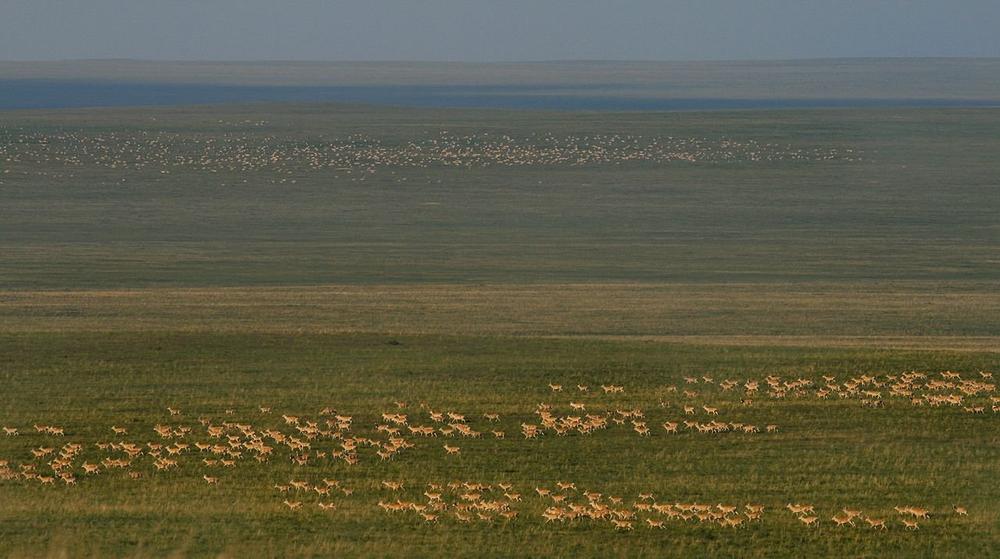
Move BON, a new international research network for studying animal movement, has now been officially endorsed by the overarching GEO BON network, which brings together global observations on biodiversity and […]
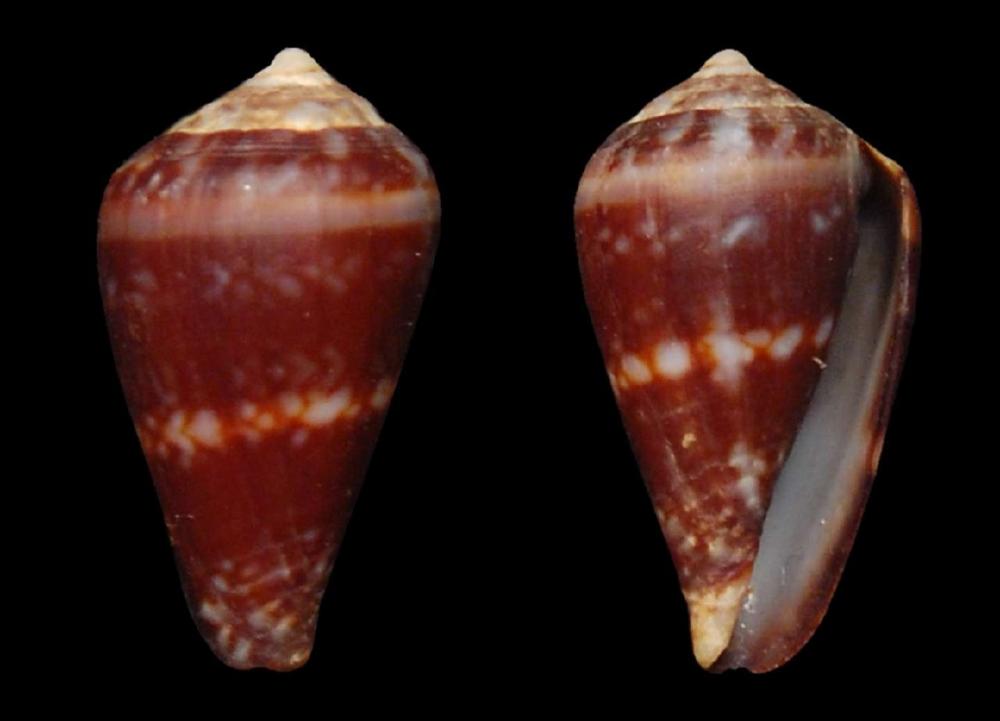
The IUCN Red List has officially declared Conus lugubris—a marine snail once found only on the north shore of São Vicente, Cape Verde—Extinct. The species, last seen alive in 1987, […]
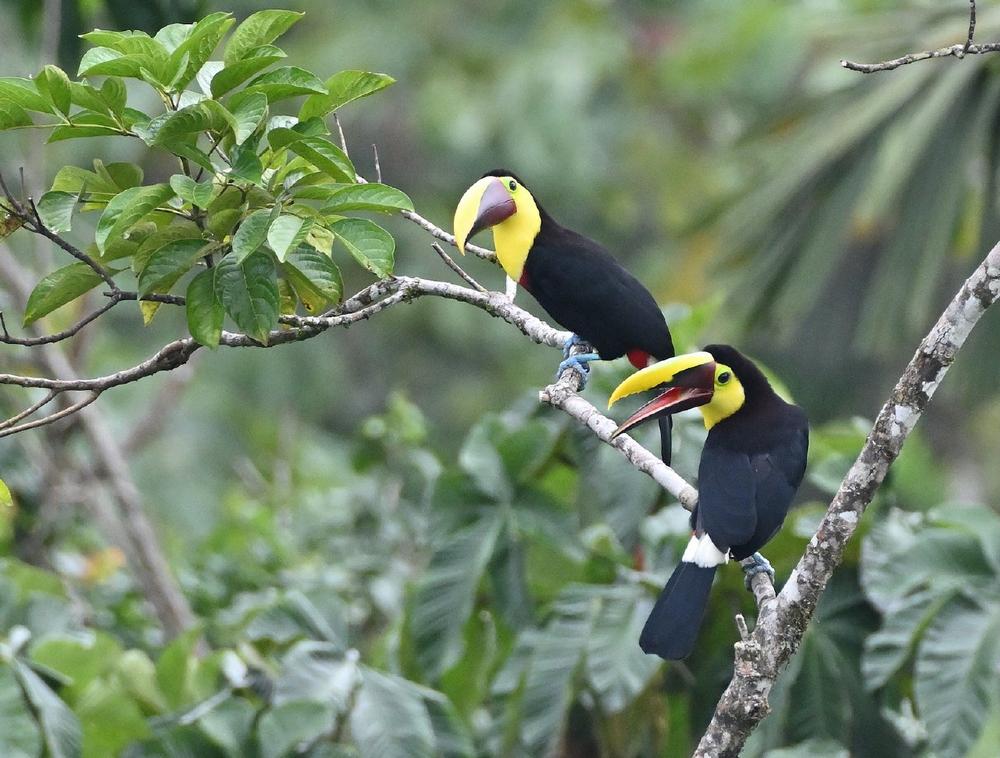
An international research team from the Senckenberg Biodiversity and Climate Research Center Frankfurt (SBiK-F) has investigated how quickly seed dispersal by animals in tropical forests recovers after deforestation. Their study, […]