
he debate on anesthetic effects in the developing brain has been stuck on mixed and often non-human data. FDA/NCTR used neural stem cell models and trusted VITROCELL SC3 Exposure Systems to […]
he debate on anesthetic effects in the developing brain has been stuck on mixed and often non-human data. FDA/NCTR used neural stem cell models and trusted VITROCELL SC3 Exposure Systems to […]

We put our VITROCELL Essentials Exposure Module to the test and ran a full internal uniformity study with diluted 1R6F reference cigarette smoke in both 12‑ and 24‑well formats – […]

Our VITROCELL® 96 Exposure System has just been put through its paces in a new open‑access publication in Environmental Sciences Europe and it passed with flying colors. In this study, […]

As part of the ADVISAR project, the effects of emissions from aircraft turbines are being comprehensively investigated from a chemical and physical perspective. In collaboration between Zurich University of Applied […]

First studies using our Cloud systems have already been successfully published (see link in the comments). Another widespread challenge is dry eye disease, where further studies are needed – and […]

Vitrocell exposure systems enable direct air–liquid interface (ALI) exposure of mammalian cells and tissues to real-world airborne substances. From gases, complex mixtures, and combustion exhausts to cigarette smoke, e-cigarette vapor, […]
In traditional submerged cell culture, airway cells are covered by liquid – a condition that does not reflect how humans actually breathe. At the Air–Liquid Interface (ALI), mammalian cells and […]
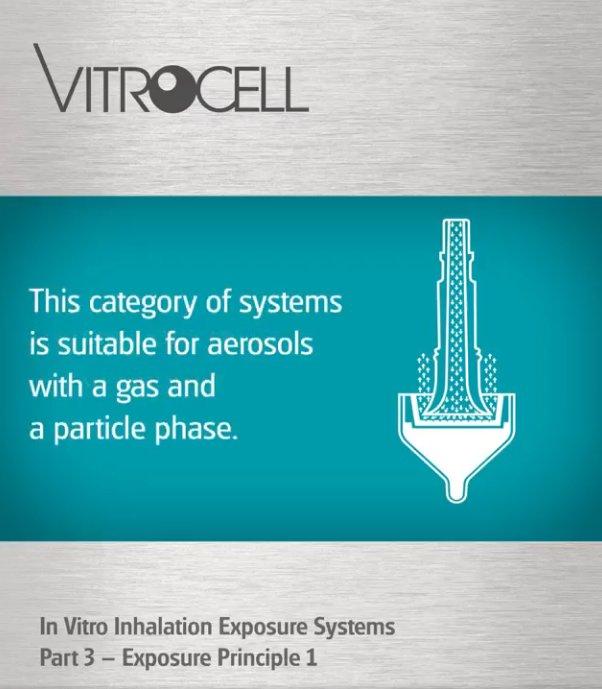
Not all test atmospheres can be tested the same way. Some require the Continuous Flow Exposure Principle. In our Continuous Flow Exposure Systems, mammalian cells, tissues, and ex vivo material […]
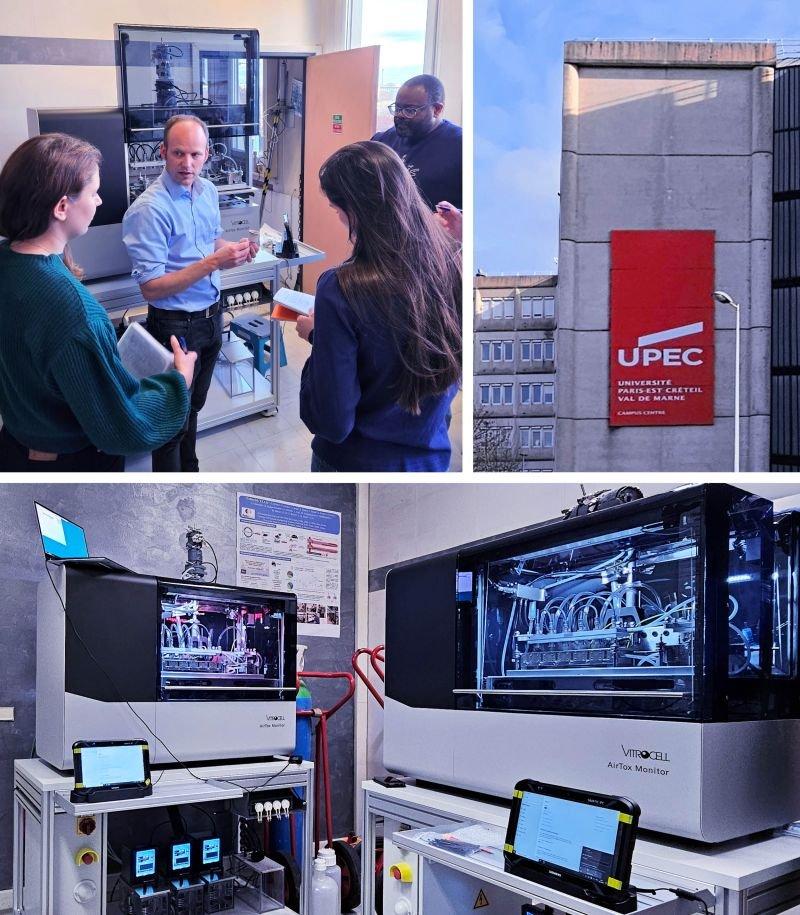
Following successful factory acceptance testing at Vitrocell in Waldkirch, we recently completed the final user training for the AirTox Monitor systems at LISA – Laboratoire Interuniversitaire des Systèmes Atmosphériques, (Université […]
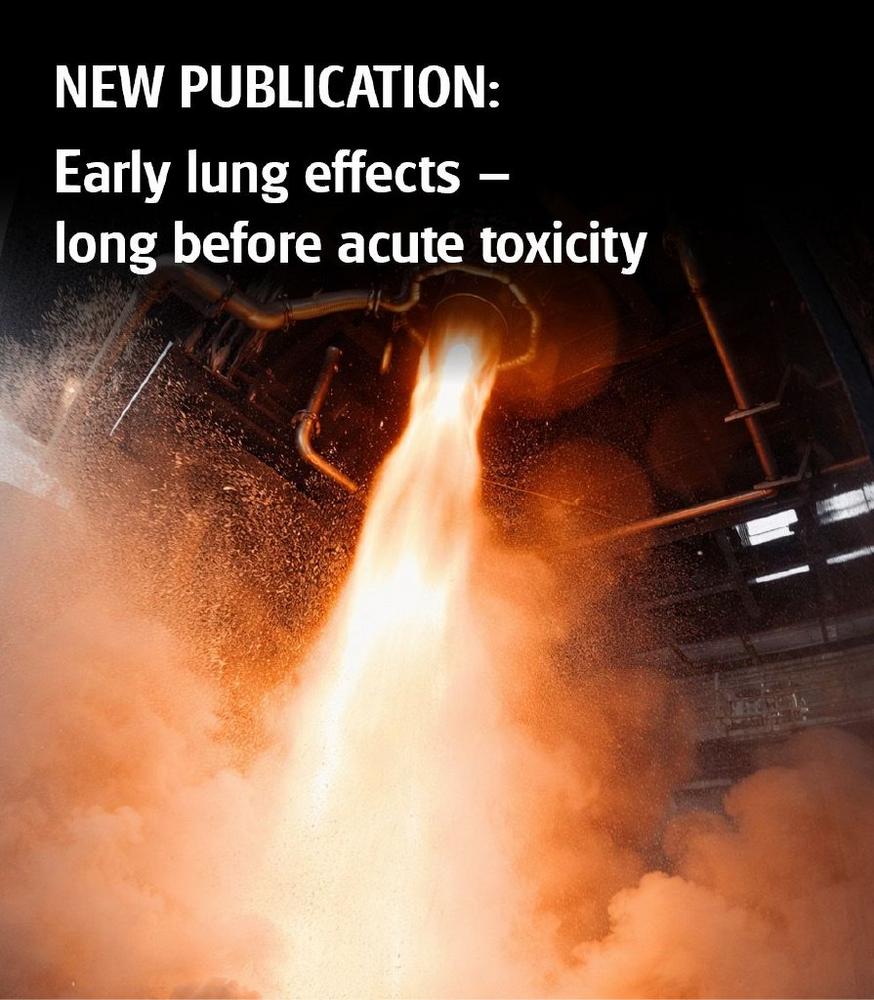
In a recently published study, researchers from the Institut de Recherche Biomédical des Armées (IRBA) and INERIS carried out repeated, sub-lethal co-exposures to aluminum oxide nanoparticles (Al₂O₃ NPs) and hydrogen […]